Plenty of drivers treat the MOT as their car's annual check-up. It is not. The MOT is a legal inspection that confirms the vehicle meets road safety and environmental standards on the day. A service is maintenance: oil, filters and a look at the parts that wear. They do different jobs, and a car that passes its MOT can still be overdue a service by a long way.
Booking the two together is the simplest way to cover both without losing two mornings to the garage. This guide explains what each one covers, what a service does not include, and why having the service done first at the same workshop means problems can be fixed before the car goes anywhere near the test.
The MOT is an inspection, not maintenance
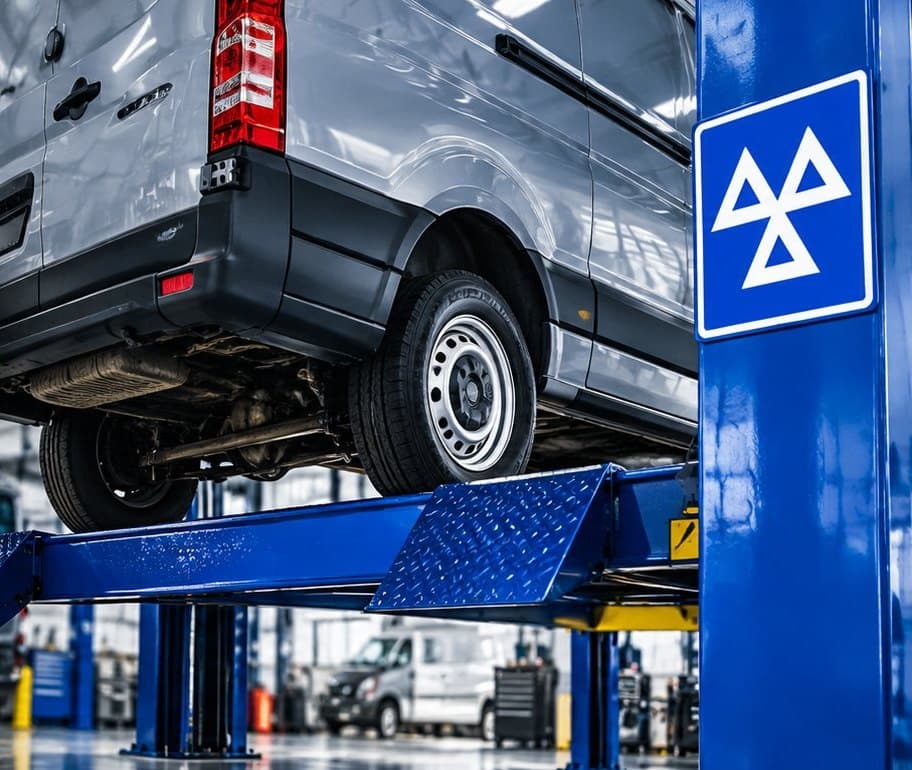
GOV.UK describes the MOT as a test that checks your vehicle meets road safety and environmental standards. Following the DVSA inspection manual, a tester looks at the brakes, steering, visibility, lamps, wheels, tyres, suspension, body and structure, seat belts and emissions. It is carried out without dismantling anything and does not specifically include a road test.
Crucially, GOV.UK is plain about what the test leaves out: it does not cover the condition of the engine, clutch or gearbox. Nothing is replaced, topped up or adjusted during an MOT. If the result lists dangerous or major problems the vehicle fails. A pass means the car met the legal standard at that moment, not that it is in good health or has been looked after.
- Pass or fail against a fixed legal standard on the day of the test
- Engine, clutch and gearbox condition are not part of the test
- No parts, oil or fluids are changed as part of the MOT itself
What a service actually does
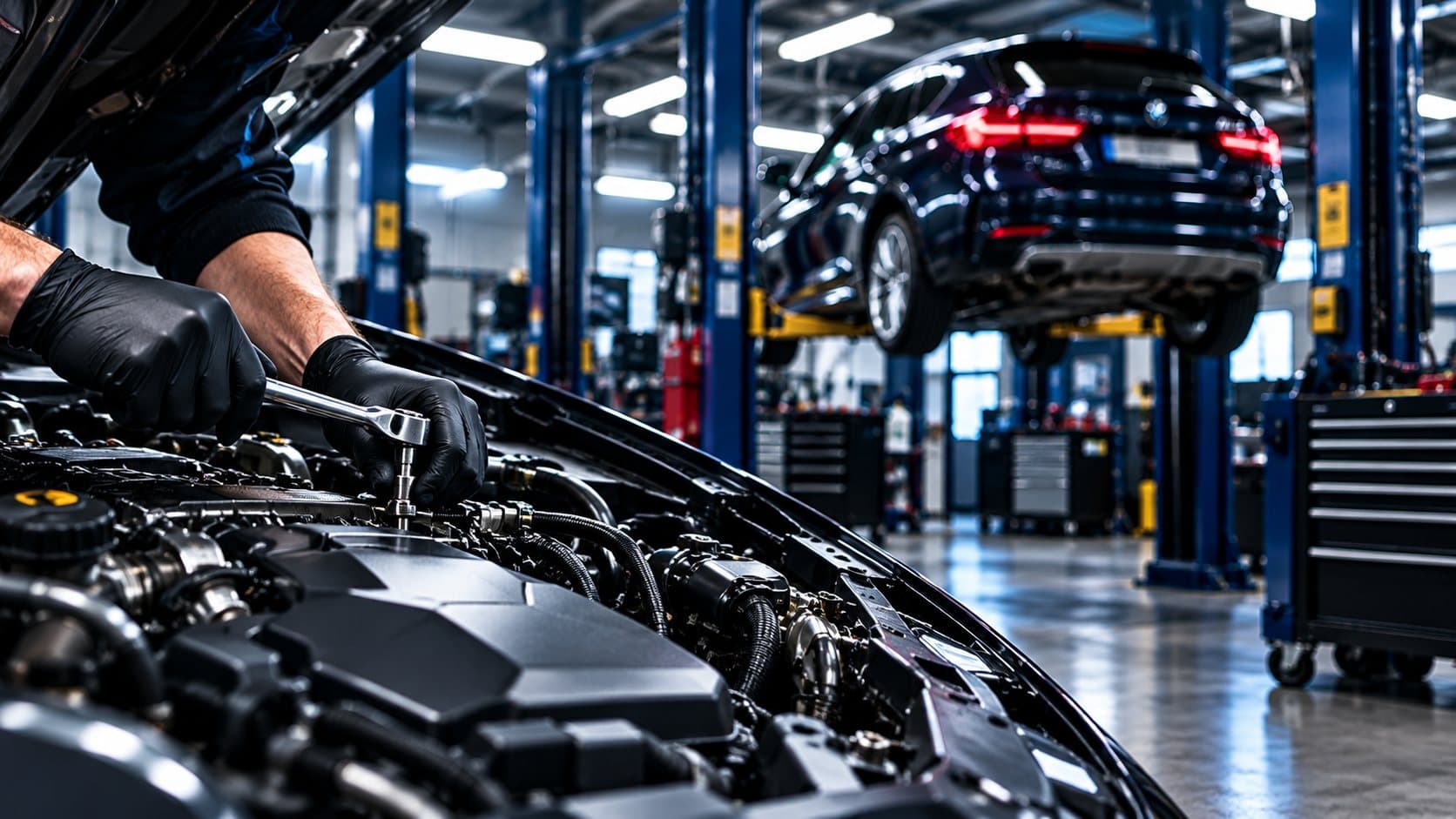
A service is the maintenance side. In general terms it means draining the old engine oil and fitting a new oil filter, replacing other filters as the schedule calls for them, checking and topping up fluids, and inspecting the wearing parts such as brake pads and discs, tyres, belts, hoses and suspension components so you know what is coming before it becomes a breakdown or a fail.
The distinction matters most for the engine. The MOT tester is not asked to judge whether your oil is black and low or a belt is about to let go. A service is where those things get caught. Leeds commuting and school runs mean short trips in traffic, which are hard on oil and brakes, and a yearly look underneath is cheap compared with the alternative.
Interim or full service: the general difference
There is no legal definition of an interim or full service, and every garage and manufacturer schedule draws the line a little differently, so treat the following as the general shape rather than a fixed menu. An interim service is the lighter visit, usually built around an engine oil and oil filter change plus a safety inspection of brakes, tyres, lights, steering and fluid levels. It suits cars that cover high mileages and need an oil change between the bigger annual visits.
A full service covers everything in the interim and goes further, typically adding the air filter and other filters as the schedule requires, closer inspection of the brakes, suspension, exhaust, battery and cooling system, and a wider set of checks and adjustments. The manufacturer's service schedule in the handbook sets the real intervals for your car, and that schedule is what keeps the engine covered for warranty purposes on newer vehicles.
- Interim: oil and oil filter change plus a safety and fluid check
- Full: the interim work plus additional filters and a deeper inspection
- The handbook schedule decides the right interval, not the calendar alone
What a service does not include
A service is an inspect-and-maintain visit, not a repair. Finding that the front pads are down to the wear limit is part of the service; fitting new pads is a separate job that gets quoted and agreed before anyone picks up a spanner. The same goes for tyres, bulbs, wiper blades, batteries, brake fluid changes and timing belts, which are usually priced on top.
A service is also not an MOT. A full service can check many of the same items, but only an MOT tester working at an approved test station can issue a pass. Air conditioning and the diesel particulate filter sit outside most service schedules as well. NHG Vehicle Care offers air con regas and servicing and DPF cleaning as their own jobs, so they can be added to the same visit if you want them looked at.
Why doing both in one visit saves more than time
The obvious saving is the second trip. One drop-off, one collection, one lift home from Harehills instead of two. The less obvious saving is in how the MOT goes. When the service is done first at the same workshop, worn pads, a cracked tyre, a blown bulb or a weeping shock absorber are found and fixed before the car is presented for test, so there are fewer fails on things you could have known about.
Avoiding a fail is worth real money. GOV.UK sets the legal maximum MOT fee for a car at £54.85 and for a Class 7 van at £58.60, with no VAT on top, and if a car fails and is taken away, a free partial retest only applies when it comes back to the same centre before the end of the next working day and only for a listed set of items such as lamps, wipers, mirrors and tyres. Leave it at the test centre for repair and the partial retest within 10 working days is free, but outside those rules you pay the full test fee again.
Timing works in your favour too. GOV.UK confirms you can have the MOT up to a month, minus a day, before it runs out and keep the same renewal date, which leaves room to line the service up with the test rather than squeezing it in on the last day.
- One trip, one booking, one day without the car
- Faults found at the service are fixed before the test, not after a fail
- Test up to a month early and keep the same renewal date
Repairs carried out on site at Dolly Lane
The reason this works at NHG Vehicle Care is that everything happens under one roof at Unit 2, 2 Dolly Lane in Harehills, Leeds. The workshop carries out Class 4 and Class 7 MOTs, servicing, diagnostics, welding, brakes and suspension, tyre fitting and wheel balancing, air con regas, DPF cleaning and general car repairs. If the service turns up a problem, the same team quotes it, you say yes or no, and the repair is done before the MOT rather than at another garage on another day.
That also keeps you on the right side of the rules if the car does fail. GOV.UK says you may only take a failed vehicle away if your current MOT is still valid and no dangerous problems were listed; otherwise it must be repaired before it can be driven. With repairs on site, a dangerous defect does not leave you looking for a recovery truck.
We are open Monday to Friday, 8:30am to 5:30pm. To book an MOT and service together, call 0113 244 3544 or request a booking online and we will set aside enough time to do both properly.